
How to manage dentist anxiety: Tips for nervous patients
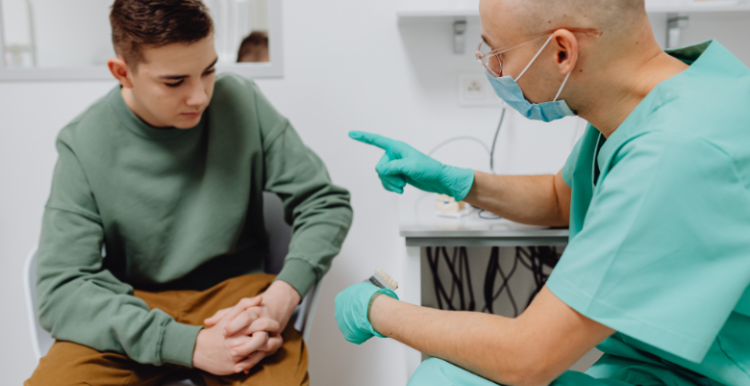
For some people, this anxiety means they delay check-ups or avoid the dentist altogether. However, regular dental care is important for maintaining good oral health and preventing problems from getting worse.
In this article, we explore why dental anxiety happens and practical ways to manage it, so you can feel more confident about your next dental appointment.
Why do people fear the dentist?
There are many reasons why people develop dentist fear or dental anxiety.
Common causes include:
- A bad dental experience in the past
- Fear that treatment will be painful
- The sound or smell of dental equipment
- Feeling out of control in the dental chair
- Feeling embarrassed about the condition of your teeth
- Worrying about treatment costs
These feelings are completely normal. Dentists regularly support patients who feel nervous and there are many ways they can help make appointments easier.
Why it’s important not to avoid dental appointments
If you feel anxious, it can be tempting to put off seeing the dentist. Many people only seek help when they develop tooth pain or a dental emergency.
However, regular check-ups help dentists to:
- Identify problems early
- Prevent tooth decay and gum disease
- Provide advice on oral health
- Screen for signs of mouth cancer
Catching issues early often means simpler and less invasive treatment.
Tips to manage dentist anxiety
If you feel nervous about visiting the dentist, these here are a few ways you can reduce dentist anxiety:
1. Tell your dentist you’re feeling anxious
One of the most helpful things you can do is be open about your anxiety. This may be easier said than done but once you’ve been upfront about your fears, your dentist can do their best to make the experience as comfortable as possible.
Dentists are used to supporting nervous patients and may be able to:
- Explain procedures step-by-step
- Go more slowly
- Offer breaks during treatment
- Schedule longer appointments
Communication can make a big difference in helping you feel more comfortable.
2. Book your appointment at the right time
Choose a time when you’re less likely to feel stressed or rushed.
For example:
- Early morning appointments may reduce time spent worrying
- A day when you don’t have other commitments afterwards
This can help you feel calmer going into the appointment.
3. Use breathing or relaxation techniques
Simple breathing exercises can help reduce physical symptoms of anxiety such as a racing heart or tense muscles.
Try slow breathing:
- Breathe in slowly through your nose
- Hold for a few seconds
- Breathe out slowly through your mouth
Repeating this several times can help your body relax.
4. Bring a distraction
Some people find the sounds of dental tools uncomfortable.
Listening to:
- Music
- Podcasts
- Audiobooks
can help take your mind off the procedure.
5. Bring someone you trust
Having a friend, partner or family member accompany you can provide reassurance.
Even if they only wait with you before the appointment, emotional support can help reduce anxiety.
6. Take small steps if your anxiety is severe
If you have avoided the dentist for a long time, it may help to gradually rebuild your confidence.
You could start by:
- Visiting the dental practice to familiarise yourself with the environment
- Sitting in the waiting room
- Booking a short consultation before treatment
Taking things slowly can help you feel more in control.
Scared of the dentist but need treatment?
Many people feel scared of the dentist but still need treatment, especially if they have tooth pain or a dental infection.
If this happens:
- Contact your dental practice and explain your anxiety
- Ask if they can offer extra time for your appointment
- Discuss whether sedation or additional support is available
Dentists understand that fear can make appointments difficult and should work with you to make treatment manageable.
Can dentists give medication for anxiety?
In some situations, dentists may offer sedation options to help nervous patients relax.
These might include:
- Oral medication
- Inhalation sedation (often called laughing gas)
- Intravenous (IV) sedation
Your dentist will explain the options available and whether they are suitable for you.
When dental anxiety becomes a phobia
For some people, the fear of dentists becomes a dental phobia. This can cause intense anxiety or panic attacks.
If this happens, support may be available through:
- Your GP
- Talking therapies, such as cognitive behavioural therapy (CBT)
- Referral to specialist dental services for anxious patients
These approaches can help you gradually overcome your fear.
Accessing NHS dental services
Many people have also told us they find it difficult to access NHS dental services.
If you're anxious about dental treatment and struggling to find an NHS dentist, it can make the situation even more stressful.
You can read more about:
FAQs
What triggers dental anxiety?
Common triggers include past negative experiences, fear of pain, dental equipment noises or feeling embarrassed about oral health.
Can dentists tell if you’re anxious?
Dentists may notice signs such as restlessness, sweating or avoiding appointments. Telling your dentist directly can help them support you better.
What should I do if I’m scared of the dentist but need treatment?
Contact your dental practice and explain your anxiety. Many dentists offer longer appointments, reassurance, and sedation options for nervous patients.
How common is dental anxiety in the UK?
Dental anxiety is very common, with many adults reporting some level of nervousness about dental visits.
Share your experience
Healthwatch County Durham wants to understand people’s experiences of accessing dental care.
If you have experienced:
- Difficulty finding an NHS dentist
- Problems accessing treatment
- Challenges related to dental anxiety
you can share your experience with us. Your feedback helps improve health and care services across County Durham.