
How we make a difference
We strive to make sure we hear from as wide a range of our diverse community as possible. We want to tell the people who make decisions and change things about the experiences everyone has with health and care services.
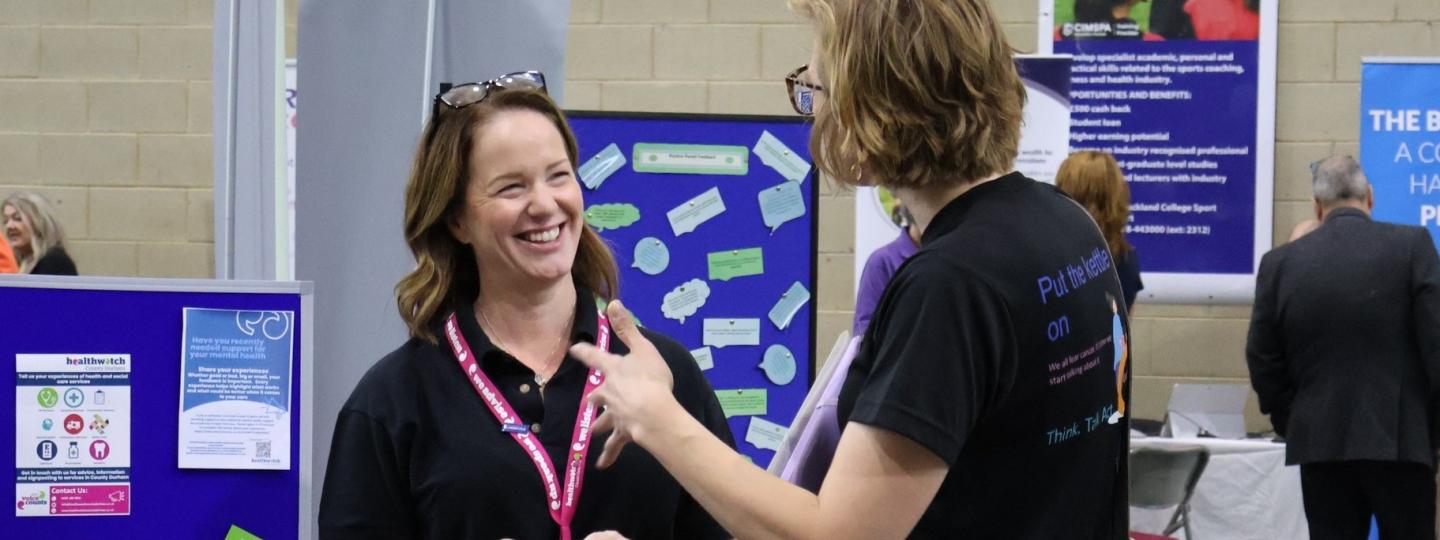
767 people shared their experiences of care
904 people completed surveys helping us improve services
167 people signposted to the right services
Our impact
We understand that factors such as culture, location, wealth, education, environment and discrimination can lead to worse health outcomes and we support the strong consensus that this must change.
Every year, we listen to residents across County Durham to understand their experiences of health and social care. By sharing their feedback with local services, we help improve access, communication and the quality of care for everyone.
Below are just a few examples of the impact your feedback has had and how it’s helped make services clearer, fairer and easier for people to use.
Autism GP Guidance
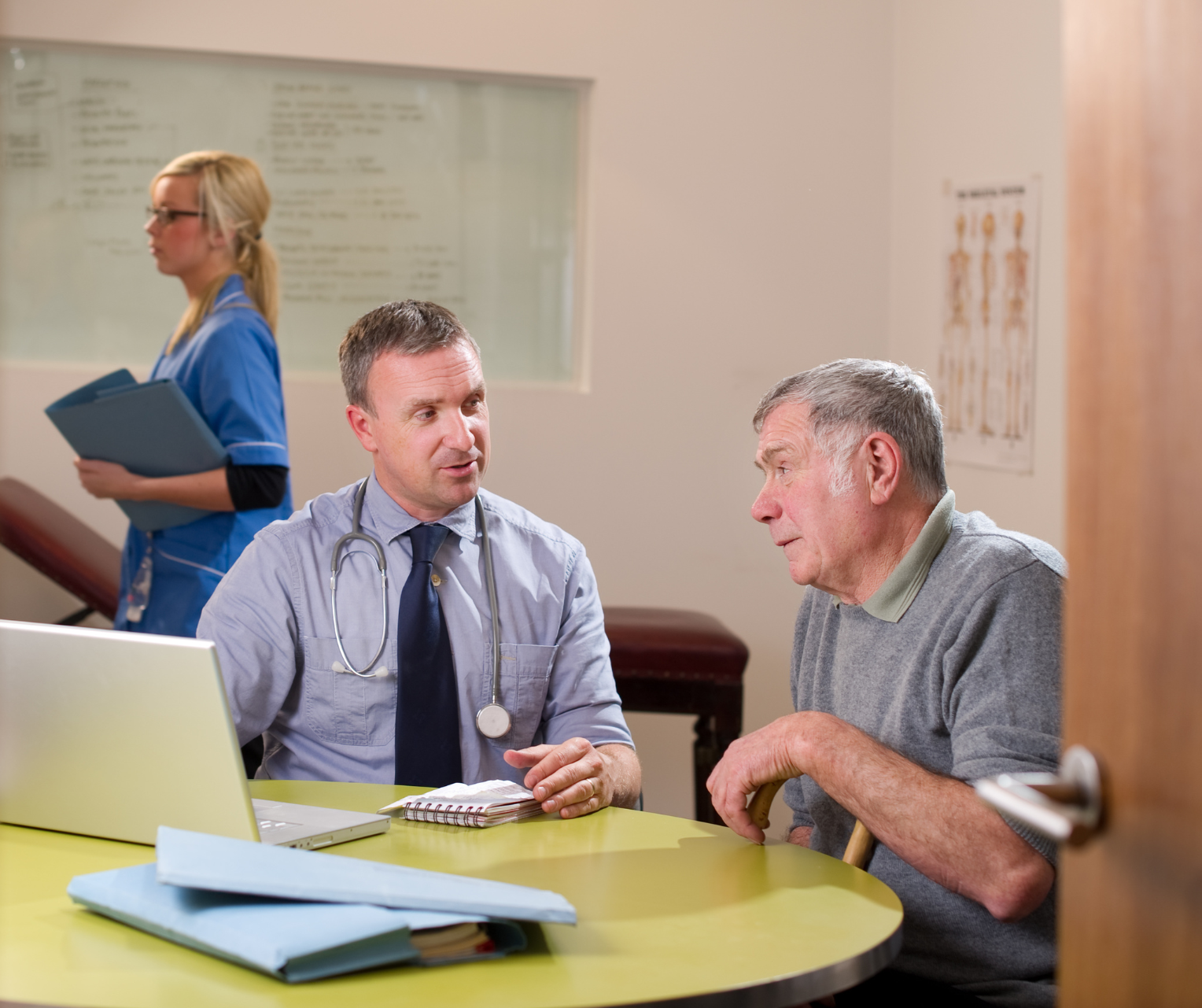
We had feedback that Autistic patients often found getting, and attending, GP appointments to be very difficult – people felt their needs weren’t understood by the GP practices.
Together with Autistic County Durham residents, we produced a guidance document for GP surgeries to help them provide better support to their Autistic patients.
We listened to the experiences of people in our area and used their words and suggestions to create some simple ‘top tips’ that GP practices should keep in mind.
We know that every patient has very different needs, and our document can’t cover every situation – but we hope that it will be a reminder of some of the more commonly reported difficulties autistic patients experience, and prompt GP Practice staff to consider their needs more carefully.
To read more visit our news article here:
Ukranian GP Advice

Ukrainians adapting to life in Durham City told us they didn’t understand how the GP system worked as it was different to the Ukrainian system. To make this easier, we provided a one-page summary explaining how their local GP surgery operates.
To reach as many Ukrainian people as possible, we also shared this summary with some on-line Ukrainian communities and both the County Council’s “Homes for Ukraine” scheme and their “Community Action” department.
Another concern was around how those planning to return to Ukraine could take their UK health records with them. There was already an established procedure for this, but it wasn’t widely known – we have helped to promote and explain the process, offering reassurance that those records will not be lost when people return to their homes.
These actions have helped Ukrainians in Durham to feel more settled and confident in accessing health care.
If you would like a copy of the guidance get in touch. A Ukrainian version is available.
Middle Eastern Patient Experience Team
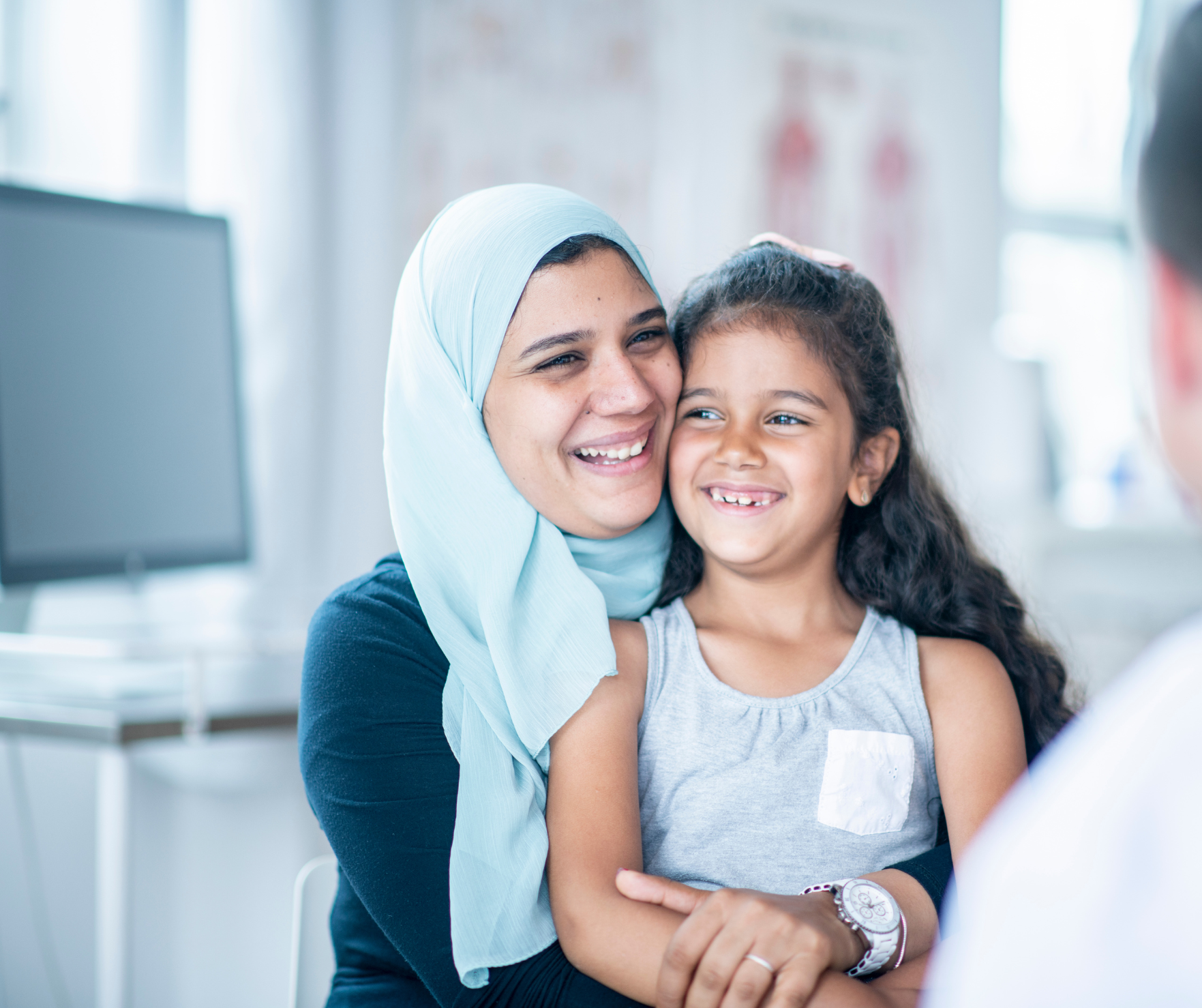
Working in partnership with the County Durham and Darlington Federation Trust, Patient Experience Team, we were able to improve the service a middle eastern woman and her son received.
The woman concerned speaks some English as a second language but felt that the language barrier meant her son’s care was less than the normal, high standard she expected - she hadn’t been given enough information to be sure she understood what was wrong with her son and how to deal with it.
We contacted the Patient Experience Team concerned and, as a result, an investigation took place. The woman has now received a written response and an apology in Arabic. A “wonderful” response, she said, that was “appreciated”.
As well as ensuring that the woman could fully understand her son’s health needs and treatment, we also raised the issue of how the hospital staff can make sure they communicate effectively with patients.
RNIB Posters

Working with information supplied by Royal National Institute for the Blind, we changed the way we produce posters that share information or advertise events so that people with sight impairment can more easily get all of the information. With posters, a lot of the information is often in picture form, and technology to help people with sight impairments to read can’t always translate images. We started including ‘Alt Text’ which adds a description of what is in the pictures, so this can be read by assistive technology.
As well as improving our own accessibility, our host organisation - Pioneering Care Partnership - also adopted this approach, making the impact of our change much bigger and improving information for more people.
Reasonable Adjustments

A gentleman contacted us because he was struggling to access the urgent GP appointments he regularly needs as part of his ongoing treatment. Each time he rang the practice, reception staff were only offering routine slots several weeks away, leaving him anxious and unsure how to get the timely care he required.
With his consent, we raised the issue with the GP practice. As a result of his feedback, the practice has put steps in place to ensure reception staff consistently refer to patient plans when speaking with patients.
These plans include key information such as:
- Accessible communication needs
- Any reasonable adjustment requests
- Important clinical or personal details that support safe, personalised care
By making sure staff check the plan at every contact, the practice can now identify patients who need tailored support and offer them appropriate, timely appointments. This change will help improve his experience and will ensure better, more individualised care for others too.
Want to learn more about what we get up to?
Your experiences shape everything we do and there’s always more happening behind the scenes to improve local health and care. If you’d like to stay up to date, there are plenty of ways to get involved:
- Explore our latest news and reports to see what people are telling us and how services are responding.
- Sign up to our e-bulletin to get updates, opportunities to share your views, and invitations to local events straight to your inbox.
- Follow us on social media for day-to-day insights, quick polls, and ways to have your voice heard (Facebook, X/Twitter, LinkedIn, Instagram, BlueSky Social)
By staying connected, you can help us highlight what matters most and continue shaping better care for everyone in County Durham.